The One-Stop Itinerary Trap: Let a Neighbourhood Visit Breathe
A neighbourhood visit itinerary built around one anchor leaves room to notice nearby places, follow a useful detour and enjoy an outing without rushing.
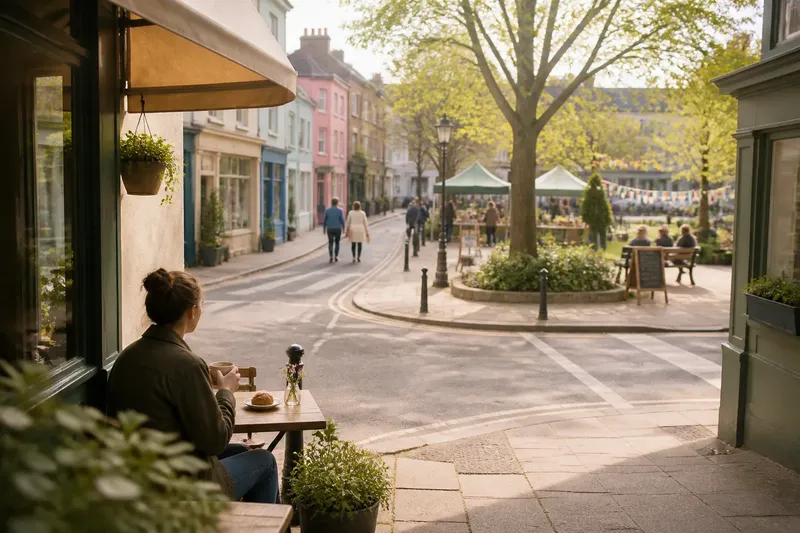
The common mistake with a neighbourhood visit itinerary is treating every nearby stop as a task to complete. You may reach the café, shop and park on time, yet leave no room to linger, take a quieter street or notice that a community event is under way. The cost is not just a hurried afternoon: you can miss the local character you came to experience.
A better plan starts with one anchor: a place or activity that gives the outing a purpose. Leave the surrounding time open, then decide whether to add something as you go. This suits a visit to an unfamiliar district as well as a familiar walk with a different destination in mind.
Why does a packed neighbourhood visit itinerary feel so unsatisfying?
A list can make a local outing feel efficient, but it also makes every pause look like a delay. A queue becomes an inconvenience, a conversation has to be cut short, and a pleasant side street becomes a missed appointment. The more stops you promise yourself, the less room there is for the neighbourhood to interrupt your plan.
There is also a difference between knowing what is nearby and needing to see it all. A map can show a bakery, a library and a green space within easy reach, but proximity does not turn them into one compulsory route. Think of the itinerary like a coat pocket: useful when it holds a few essentials, awkward when you try to cram in everything you might need.
That does not mean planning is the problem. A little preparation can help you choose an accessible meeting point, check opening times or avoid arriving hungry. The trap is confusing useful information with a schedule that leaves no choice once you step outside.
Which approach suits your kind of outing?
There are three useful ways to shape a neighbourhood visit: a packed route, a single-anchor plan and a loose theme. Each offers a different balance of certainty and freedom. Choose according to what the day needs, rather than assuming that the fullest plan is the best one.
The packed route: when does it make sense?
A tightly arranged route can suit a day with a clear practical purpose: collecting several items before shops close, showing a visitor a few agreed places, or attending activities at fixed times. It helps when each stop matters and the order is useful. Keep it for occasions where missing a stop would cause a real problem, not simply because a map makes the route look tidy.
Even then, decide what can be dropped. If the first appointment runs late, having one optional stop gives you a way to recover without turning the rest of the outing into a race. A packed itinerary is a tool for a particular need, not a default setting for a free afternoon.
The single-anchor plan: who benefits most?
With this approach, you choose one destination or reason to go out, such as meeting a friend at a café, borrowing a book or visiting a local exhibition. Everything else is optional. It suits people who want a manageable plan, are visiting an area for the first time, or simply want the day to have a clear starting point without a fixed finish.
The anchor can be modest. A playground, a bakery you have been meaning to try or a short appointment can give the outing shape. Once you arrive, the next choice can depend on the weather, your energy and what is happening nearby.
The loose theme: when is it better than a destination?
A loose theme gives you a way to look around without assigning every stop a time. You might follow a route with street trees, look for public art, or see which streets connect the high road to a familiar park. This works well for repeat visits, casual company and days when curiosity matters more than ticking off a destination.
The theme should guide attention, not become another scavenger hunt. If you set out to notice shopfronts, there is no need to count them or cover every street. Stay with whatever catches your eye, then let the theme go when something more interesting takes its place.
How can you leave room without feeling unprepared?
Start with the practical details that would genuinely affect the outing. Check whether your anchor is open, how to reach it, and whether anyone coming with you has a particular access or timing need. If the visit depends on a local notice, venue listing or service information, confirm the details before setting off; where conditions depend on a provider’s instructions or local rules, follow those details rather than assumptions.
Then make a deliberately small plan:
- Choose one anchor. Name the place or activity that would make the outing feel worthwhile on its own.
- Mark a starting point. Pick a convenient street, stop or meeting place rather than mapping every turn.
- Keep one nearby possibility in mind. Note a park, café, library or public space as an option, not a commitment.
- Leave the order flexible. Decide that you can visit the anchor first or later, depending on what feels right when you arrive.
- Set a natural stopping point. Choose a simple cue, such as finishing your drink or reaching a familiar junction, rather than a string of timed departures.
This is enough preparation to reduce avoidable uncertainty while preserving the chance to change direction. If you are meeting someone, agree on the anchor and a clear way to reconnect if you get separated. You do not need to agree every subsequent stop.
What should you do when a detour appears?
Use a brief decision, not a debate with your original plan. Ask whether the detour is accessible, whether it fits the time and energy you have, and whether anyone with you wants to take it. If the answer is no, carry on without treating the choice as a failure. If it is yes, change course and let another optional idea go.
Say you plan to meet a friend at a neighbourhood café, then notice a small open-air display on the route. You could pause to look, skip the optional stop you had saved for afterwards, and still keep the café as the outing’s anchor. The observable result is a visit shaped by what was actually there, not a hurried attempt to fit both extras into the same afternoon.
Pay attention to ordinary cues as well as advertised attractions. A bench may offer a welcome rest, a side street may provide a calmer route, or a public notice may point to something happening nearby. These are invitations to consider, not instructions to follow; your comfort and companions’ needs still decide whether a pause makes sense.
Which questions help you choose an approach?
How many stops should a neighbourhood outing include?
There is no useful universal number. Choose one anchor, then add a stop only if it serves a clear need or genuinely appeals in the moment.
Should I plan a route for a first visit?
Plan how to reach the anchor and identify a straightforward way back, especially if you are unfamiliar with the area. Leave the rest open so you can adjust to the streets and facilities you encounter.
What if I am meeting someone who likes a firm plan?
Agree on the meeting place, the main activity and any time-sensitive commitment. You can also name one optional stop in advance, while making clear that the rest depends on the day.
Is a spontaneous detour always a good idea?
No. Skip it if it conflicts with an appointment, access need, budget, energy level or anyone’s comfort. An open itinerary gives you permission to choose, not an obligation to keep wandering.
How do you know when the visit has had enough?
A good stopping point is one that leaves the outing feeling complete without making you push through tiredness. You might have reached the anchor, shared a conversation or enjoyed a short walk between familiar streets. If the energy is there, carry on; if it is not, heading home is a sound choice rather than a failure to make the most of the day.
For your next neighbourhood visit itinerary, write down one anchor and one practical detail you need to check. Keep any other ideas in your head or on a short optional note, not in a sequence you must finish. That small distinction leaves space for a useful detour, a quiet pause or a perfectly ordinary street that turns out to be the best part of the outing.